Championing Health Rights: Upholding Article 43 Of The Kenyan Constitution.
Author: Stephen. O. Odhiambo.
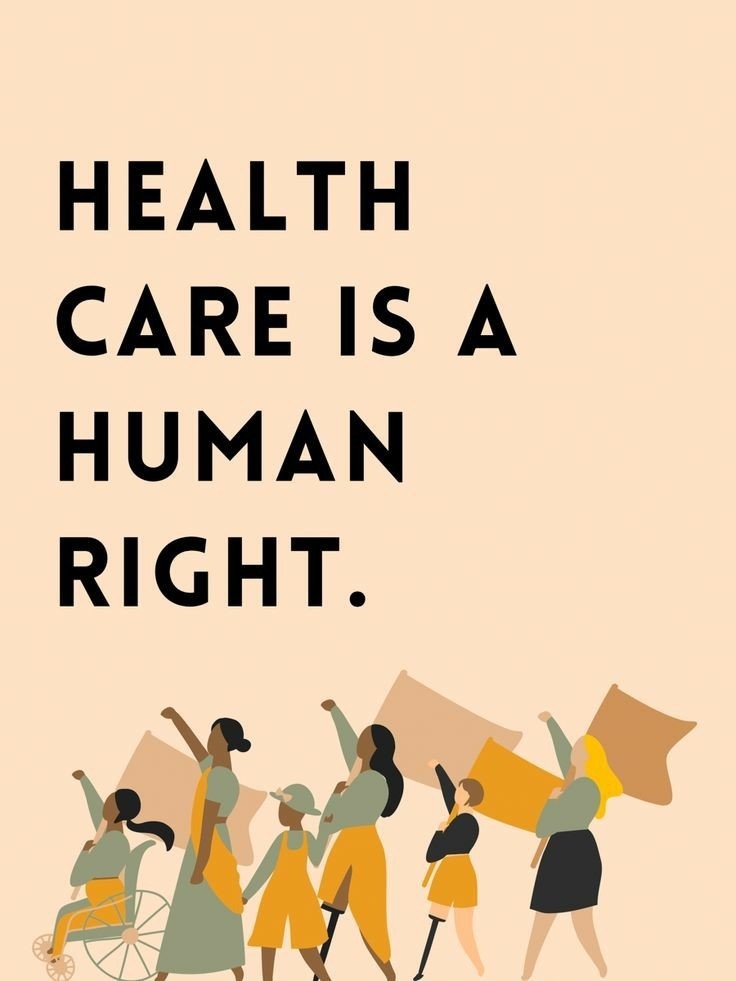
In Kenya, the Constitution of 2010 stands as a beacon of hope and promise for every citizen, enshrining fundamental rights and freedoms that form the bedrock of a just and equitable society. Among these rights, Article 43 specifically guarantees the right to health, affirming that every Kenyan has the right to the highest attainable standard of health, including access to healthcare services, essential medicines, and reproductive health care.
A landmark case that exemplifies the significance of health rights in Kenya's legal landscape is the "Centre for Health, Human Rights and Development (CEHURD) v Attorney General" case in Uganda. Though not directly within Kenya, this case resonates deeply within the Kenyan context, setting a powerful precedent for health and human rights acknowledgment across the region.
Legal arguments supporting health rights advocacy in Kenya draw extensively from constitutional provisions, including Article 43, which explicitly outlines the state's obligations to ensure the right to health for all citizens. The language of the constitution is unequivocal, declaring health as a fundamental human right rather than a mere privilege:
> Article 43(1)(a) of the Constitution of Kenya, 2010: "Every person has the right to the highest attainable standard of health, which includes the right to healthcare services, including reproductive healthcare."
This constitutional provision serves as the cornerstone of health rights advocacy in Kenya, laying the groundwork for legal challenges and policy reforms aimed at improving access to quality healthcare services for all Kenyans.
Moreover, international human rights instruments provide additional legal arguments in support of health rights. Kenya is a signatory to various treaties and conventions, including the Universal Declaration of Human Rights (UDHR) and the International Covenant on Economic, Social, and Cultural Rights (ICESCR), which recognize the right to health as an essential component of the right to an adequate standard of living.
Quoting from the ICESCR:
> Article 12(1) of the ICESCR: "The States Parties to the present Covenant recognize the right of everyone to the enjoyment of the highest attainable standard of physical and mental health."
This provision reinforces the obligation of the Kenyan government to prioritize the health and well-being of its citizens and underscores the indivisibility and interdependence of human rights.
In light of these legal frameworks, the "CEHURD v Attorney General" case in Uganda serves as a compelling illustration of the judiciary's role in upholding health and human rights. In this case, the Ugandan Constitutional Court ruled in favor of the petitioners, affirming that maternal health is a fundamental human right and that the government has a duty to provide accessible and quality maternal health care services.
The judgment in the CEHURD case underscores the principle of government accountability in ensuring the realization of health rights and highlights the pivotal role of civil society organizations in advocating for the rights of marginalized and vulnerable populations.
In conclusion, the legal arguments and landmark case law discussed above underscore the critical importance of upholding health rights in Kenya and beyond. By recognizing health as a fundamental human right and holding governments accountable for fulfilling their obligations, we can strive towards a society where every individual enjoys the highest attainable standard of health and well-being. It is incumbent upon all stakeholders –from policymakers and legislators to civil society organizations and citizens – to work collaboratively towards the realization of health rights envisioned in the Kenyan Constitution and international human rights instruments.
