The Crisis in Goma: A City Under Siege.
Author: George Nyanaro.
- The Crisis in Goma: A City Under Siege
The eastern Democratic Republic of Congo (DRC) is once again engulfed in chaos, with the regional capital of Goma at the epicentre of a rapidly escalating conflict. The city, home to over two million people, has become a battleground as the Rwanda-backed M23 rebel group intensifies its offensive, capturing key territories and plunging the region into a humanitarian catastrophe. This blog delves into the current situation in Goma, the actors involved, and the dire consequences for civilians caught in the crossfire.
- The Fall of Goma
On January 27, 2025, the M23 rebel group declared control over Goma, marking a significant blow to the Congolese army and a dramatic escalation in the decades-long conflict. The rebels, supported by Rwandan troops, advanced rapidly into the city, overwhelming government forces and UN peacekeepers. Heavy artillery fire and explosions rocked the city, forcing hundreds of thousands of residents to flee in panic. Despite claims by the Congolese government that it retains control over 80% of Goma, reports from the ground suggest that M23 has consolidated its hold on key infrastructure, including the airport and major roads. The rebels have also closed Goma’s airspace, trapping civilians, aid workers, and UN personnel within the city.
- Humanitarian Catastrophe
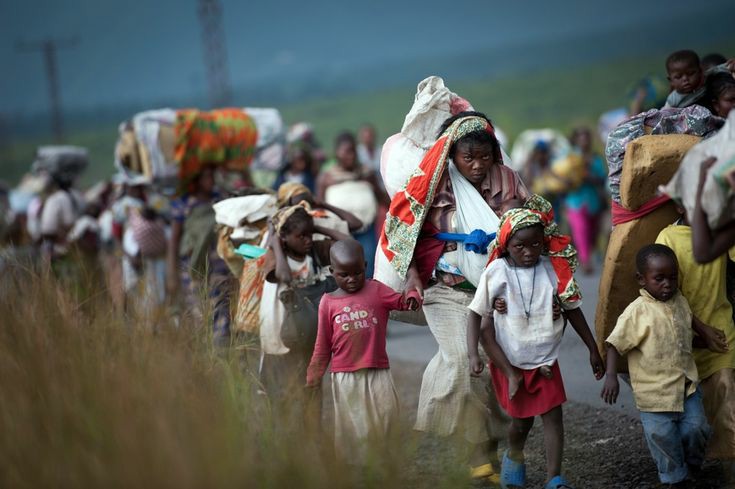
The humanitarian situation in Goma is dire. Hospitals are overwhelmed, with hundreds of patients admitted for gunshot wounds and shrapnel injuries. The Charity Maternity Hospital in central Goma was struck by shells, resulting in the deaths of pregnant women and newborns. Basic services such as water, electricity, and internet have been severely disrupted, exacerbating the suffering of the population. Over 6.5 million people are already displaced across the DRC, with nearly three million in North Kivu alone. The recent fighting has displaced an additional 400,000 people, many of whom are now seeking refuge in overcrowded camps or crossing into Rwanda. Aid agencies warn of a looming food crisis, as the World Food Programme has temporarily paused its operations in the region.
- International Response and Diplomatic Tensions
The international community has expressed alarm at the escalating violence. The United Nations Security Council has held emergency meetings, calling for an immediate cessation of hostilities and the withdrawal of Rwandan troops from Congolese territory. UN officials have condemned the attacks on peacekeepers, with at least 13 killed in recent clashes, including soldiers from South Africa, Uruguay, and Malawi. Rwanda’s involvement remains a contentious issue. While the DRC and UN accuse Rwanda of directly supporting M23 with troops and weapons, Rwanda denies these allegations and instead accuses the DRC of harbouring anti-Rwandan militias. The diplomatic fallout has been severe, with the DRC severing ties with Rwanda and calling for international sanctions.
- Roots of the Conflict
The conflict in eastern DRC is deeply rooted in ethnic tensions, economic interests, and regional power struggles. M23, composed primarily of ethnic Tutsi fighters, claims to be defending the rights of the Tutsi minority in the DRC. However, analysts argue that the group’s true motivations lie in controlling the region’s vast mineral wealth, including coltan and gold, which are critical to global technology industries. Rwanda’s role in the conflict is equally complex. While President Paul Kagame frames Rwanda’s actions as a response to the persecution of Tutsis, critics accuse him of using the crisis to exploit Congo’s resources and expand Rwanda’s influence in the region.
- What Lies Ahead?
The capture of Goma marks a turning point in the conflict, with M23 now in a stronger position to expand its control over eastern DRC. Analysts warn that the rebels’ ambitions may extend beyond Goma, potentially targeting other key cities in the region. Efforts to broker a ceasefire are underway, with regional leaders from the East African Community (EAC) and the African Union convening emergency meetings. However, past ceasefires have been short-lived, and the current situation presents significant challenges for diplomacy.
- Conclusion
The crisis in Goma is a stark reminder of the human cost of prolonged conflict. As the international community grapples with how to respond, the people of Goma continue to endure unimaginable suffering. The need for urgent action is clear: to protect civilians, deliver humanitarian aid, and address the root causes of the conflict. Without a concerted effort, the cycle of violence in eastern DRC will only continue, leaving millions trapped in a seemingly endless nightmare.
